


Alaska covered by powerful typhoon Halong: dozens of houses flooded, there are dead and missing people


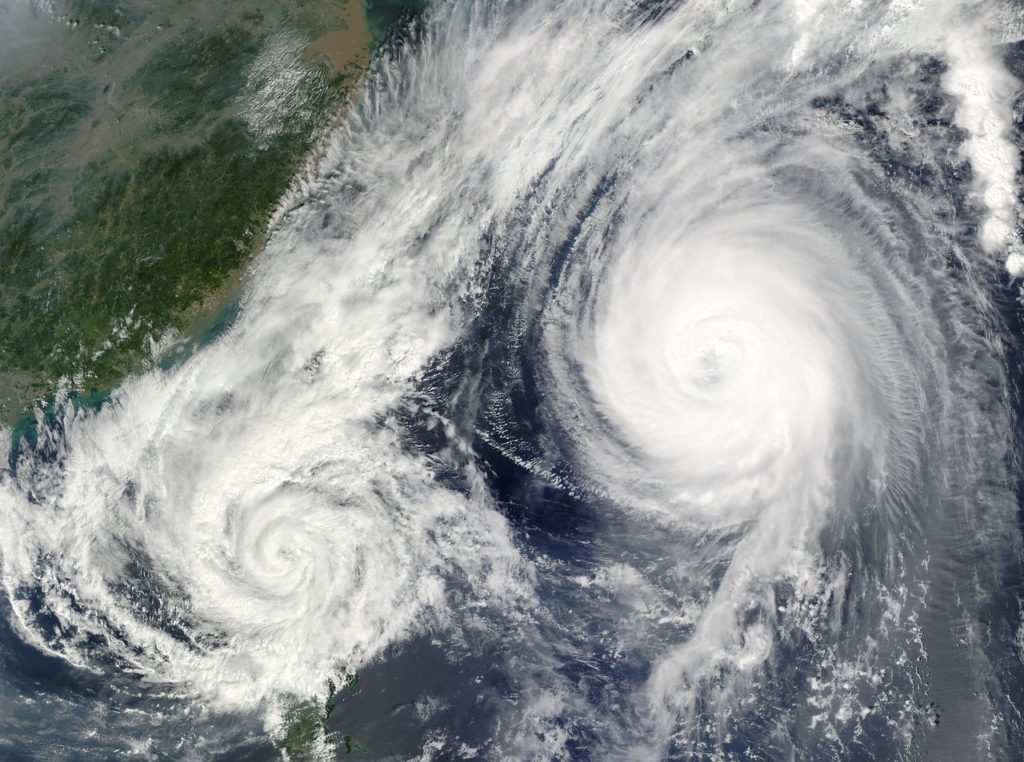
Ілюстративне фото: pixabay.com
Authorities in western Alaska are conducting a massive evacuation after the remnants of Typhoon Halong devastated coastal communities. Powerful winds and waves swept away dozens of homes and left hundreds of people homeless.
This is reported by the Associated Press .
The storm hit communities along the Yukon-Kuskoquim Delta, more than 500 miles from Anchorage. The Coast Guard evacuated two dozen people whose homes were blown off their foundations. Three people are missing or dead.
More than 1,500 residents were forced to leave their homes. Some of the evacuees were housed in gyms and National Guard facilities in Bethel, which are already running out of space. Authorities are considering transporting people to Fairbanks or Anchorage.
The villages of Kipnuk and Kvigilingok suffered the most damage. In Kipnuk, almost all houses were damaged, and about three dozen of them were swept away by the water.
“This is a disaster in Kipnuk. We are doing everything we can to help the community, but the situation is very difficult,” said Mark Roberts, head of the state’s emergency management team.
In Kwigilingok, a school has been turned into a temporary shelter for four hundred people. Electricity remains, but toilets are not working. According to the headquarters, “honey buckets” – plastic containers for collecting waste – are being used for needs.
One woman died, and the search for two more men whose house was swept into the sea was called off.
The flooding has damaged power systems and fuel depots. There is a risk of water and environmental pollution, which could harm the fish resources on which the local population depends.
The state government has sent National Guard units to deliver food, water, generators and communications equipment.
Experts warn that rebuilding destroyed communities could take months, and construction work could become impossible as winter approaches.
“Alaska Native communities have always demonstrated resilience, but when virtually all of their homes are damaged and there is little time to rebuild, their options are limited,” said Rick Thoman, a climate scientist at the University of Alaska Fairbanks.
According to the expert, Typhoon Halong could have intensified due to rising temperatures of the Pacific Ocean’s surface waters caused by climate change.
As a reminder, powerful Typhoon Wifa hit Hong Kong on July 20, causing widespread destruction, transportation disruption, and casualties. Within hours, the storm left hundreds of fallen trees, damaged buildings, and canceled flights, while the storm warning level reached the maximum — 10 points.
Also follow “Pryamim” on Facebook , Twitter , Telegram , and Instagram .