


Anniversary of the Ukrainian Armed Forces offensive on the Kursk region: how it happened and the main events of the operation


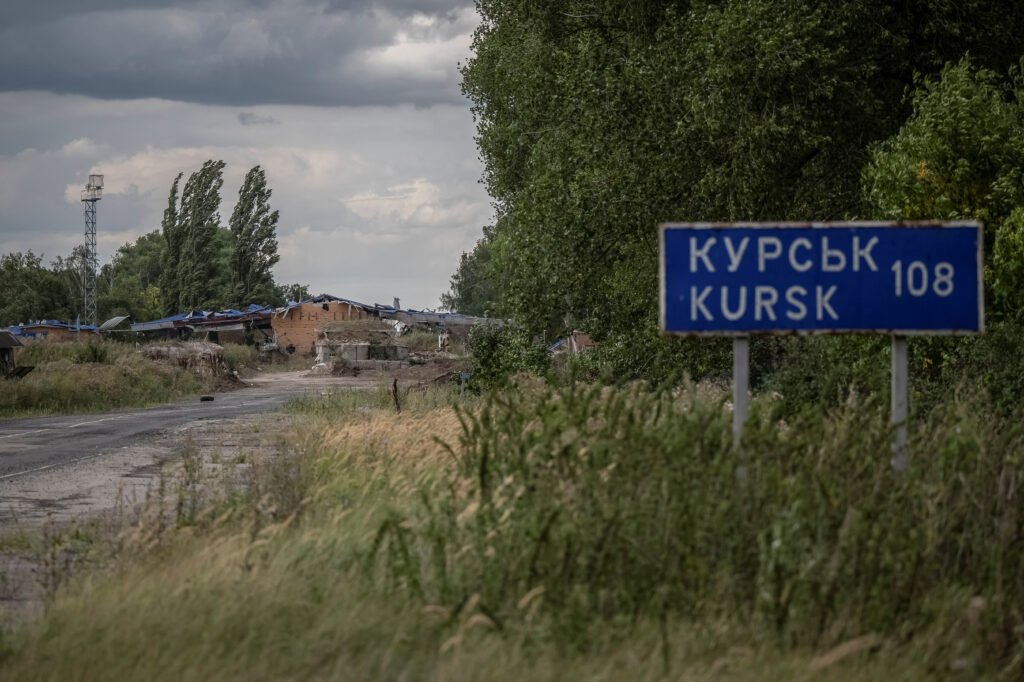
Фото: Reuters
On Tuesday, August 6, 2024, the Armed Forces of Ukraine launched a large-scale military operation in the Kursk region of the Russian Federation. For the first time since the start of the full-scale war, Ukrainian troops entered enemy territory with an open offensive, occupying more than 1,200 square kilometers. The operation covered dozens of settlements, inflicted significant losses on the enemy, and became a historical precedent — for the first time a regular army occupied part of the territory of a nuclear state.
How did the Kursk operation begin?
On August 6, 2024, the Armed Forces of Ukraine launched a large-scale offensive operation in the Kursk region. The offensive took place in two main directions – from the border points of Sudzha and Korenevo. In the first hours of the offensive, Ukrainian units broke through the enemy’s defenses and captured several border villages.
The Armed Forces of Ukraine conducted active combat operations and advanced up to 25 kilometers deep into enemy territory. Dozens of settlements were quickly taken under control, and the area of the occupied territory was rapidly growing.
The operation involved Special Operations Forces, regular mechanized and motorized infantry units, artillery, unmanned systems, and assault groups. The offensive began simultaneously on several sectors of the front.
Area and territories under the control of the Armed Forces of Ukraine
At the peak of the operation, the following were under the control of the Armed Forces of Ukraine:
- 1,235 square kilometers of the territory of the Kursk region of the Russian Federation;
- 82 settlements were occupied by Ukrainian troops;
- The occupied territory included: Sudzha, Korenevo, Bogdanivka, Ivnytsia, Kozacha Loknia, Obukhivka, Novi Boriskovichi, Borky, Nove Selo, and others.
The Armed Forces of Ukraine stormed and captured bridges, took control of the main roads connecting the border areas with the city of Kursk. Among the objects that were destroyed or captured were a gas metering station in Sudzh, enemy command posts, ammunition depots, and supply columns.
Operation objectives and combat tactics
The Armed Forces of Ukraine used combined tactics: rapid breakthroughs from the flanks, kamikaze drone attacks, massive artillery strikes, and strikes with high-precision weapons (including HIMARS) on enemy bases, logistics, and command posts.
The main tasks set within the framework of this operation:
- Disrupt the enemy’s critical infrastructure (including logistics and energy);
- To inflict the maximum possible losses on the enemy in manpower and equipment;
- To withdraw part of the enemy forces from the directions of the Kharkiv, Sumy, and Zaporizhia regions;
- Destabilize the logistics support of the Russian Federation troops;
- Continue moral and psychological pressure on the population of the border regions of the Russian Federation.
The striking power of Ukrainian drones, in particular FPV, affected not only equipment, but also airfields (including air facilities in the Lipetsk region), air defense positions, and control points.
RF losses and effects on the enemy
According to the results of the operation:
- More than 80,000 Russian servicemen were killed or wounded;
- About 1,000 people were taken prisoner;
- Over 3,000 pieces of equipment were destroyed or captured, including: 100 tanks, 700 armored combat vehicles, more than 300 artillery systems and MLRS.
The operation caused panic among the civilian population of the border regions of the Russian Federation. As a result of the fighting , more than 120,000 people were evacuated from the Kursk region.
North Korea’s participation in hostilities on the side of the Russian Federation
In the fall of 2024, in the face of losing territory and suffering heavy casualties, Russia began to involve troops from the DPRK in the fighting. It is estimated that up to 20,000 North Korean soldiers were operating on the Russian side in the Kursk region.
North Korean units were used as a reserve force to support defense in occupied areas, participate in assaults, and patrol rear areas.
Russian counteroffensive and gradual displacement of the Armed Forces of Ukraine
Since November 2024, the Russian Federation has launched an active counteroffensive, bringing additional forces to the Kursk direction. The increase in the number of enemy troops gradually forced the Armed Forces of Ukraine to abandon part of the previously captured territory.
By March 2025, the Ukrainian Armed Forces had lost control of most of the Kursk region. The area they controlled had shrunk to 130 square kilometers , and by July 2025, to 15 square kilometers .
Organization of the operation and level of secrecy
Preparations for the operation were carried out in strict secrecy. According to the commander of the 225th battalion, the fighters were stationed in abandoned buildings on the eve of the offensive, without any information about the details of the upcoming operation.
Officers received orders 72 hours before the start, and rank-and-file servicemen were notified of the entry into Russian territory only a few hours before the breakthrough. Such information isolation made it possible to avoid leaks and maintain the effect of surprise.
Evaluation of the results of the operation
Despite the loss of the main part of the occupied territory, the Kursk operation became an important component of the overall strategy:
- The Armed Forces of Ukraine forced the Russian Federation to redistribute forces, weakening other fronts;
- The strike on Russia’s rear infrastructure destroyed logistics and undermined the combat stability of border units;
- For the first time in history, Ukraine conducted a full-fledged operation with the open seizure of Russian territory;
- The operation became a symbol of the offensive initiative of the Ukrainian army in the conditions of a full-scale war.
It is worth adding that as of the end of April, since the beginning of the Kursk operation, the Russian army has lost more than 60 thousand soldiers in the operational zone of the Kursk group of forces.
Subsequently, the General Staff of the Armed Forces of Ukraine stated that the Kursk direction had become the most effective for ensuring the “exchange fund.” Thus, from August 6, 2024 to May 25, 2025 , the Ukrainian Defense Forces captured 971 Russian servicemen in the Kursk operation zone.
Also follow “Pryamim” on Facebook , Twitter , Telegram , and Instagram.