


Cyberattack on US intelligence: were classified data compromised


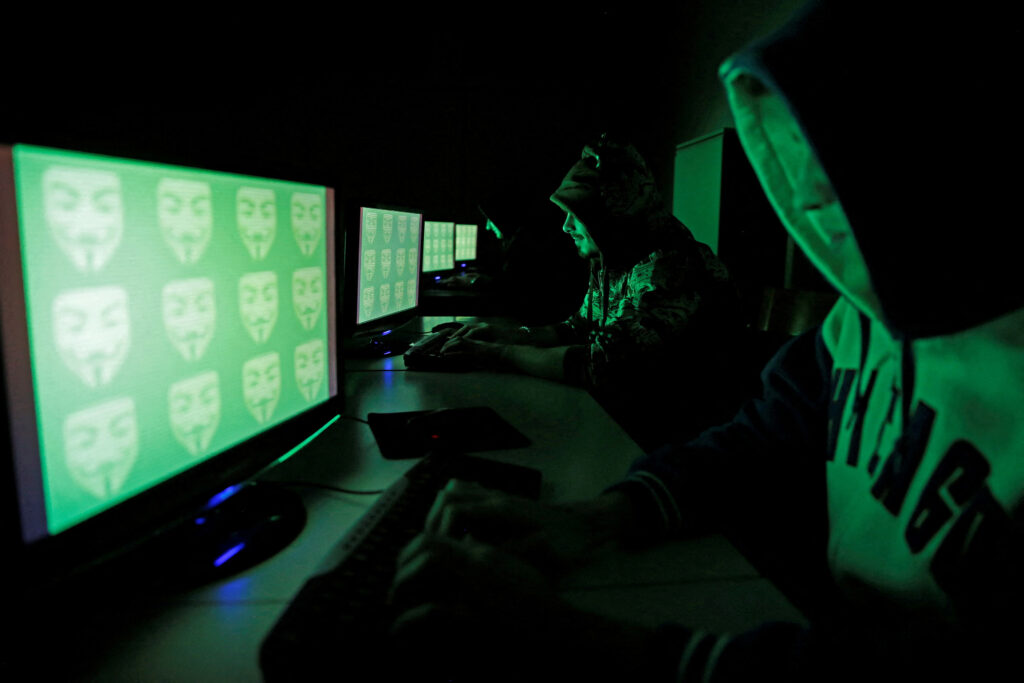
фото: Reuters
Hackers breached a system that the CIA and two other American intelligence agencies use to collect and analyze open-source information. An autonomous AI-based tool called ARTEX may have been used for the attack. At the same time, according to preliminary data, the intelligence services’ classified networks were not affected.
This is reported by The New York Times.
The CIA, the Office of the Director of National Intelligence, and the National Geospatial-Intelligence Agency became aware of the breach. The compromised system supported the operation of OSINT, an intelligence discipline involving the collection and analysis of publicly available information, as well as data purchased from commercial vendors.
Such data includes publications on websites and social media, satellite imagery from commercial companies, and information from private brokers. Although this information is unclassified, the search history and the work of analysts can reveal which countries, individuals, and events are under the surveillance of American intelligence. This could also help adversaries determine the priorities of the intelligence services and identify gaps in their operations.
American intelligence agencies have assured that their classified systems and critical capabilities remain intact. The incident has already been mitigated. However, officials did not specify exactly what information the hackers gained access to, whether any data was stolen, or who might be behind the attack.
According to sources cited by the publication, the attackers may have utilized ARTEX, an automated security testing platform developed by a Chinese programmer. The tool interacts with external language models and is capable of autonomously scanning the internet, identifying vulnerable systems, and exploiting discovered flaws for further intrusion.
The ARTEX platform was published on GitHub in July 2026. However, on October 8, its author, who used the pseudonym Autumn-27, deleted the public repository. This occurred after reports of the tool’s use in attacks on banks in South Korea. The developer claimed to have created the platform for legal cyber defense testing. Despite the deletion of the original, copies, translations, and modified versions continued to circulate.
At the same time, the presence of ARTEX among the potential attack tools does not indicate the involvement of the Chinese government. Since the platform was publicly available, it could have been used by hackers from various countries. The US has not yet identified the individuals behind the attack or the likely perpetrator of the operation.
This incident is the latest in a series of digital security issues affecting American government agencies. In particular, the FBI is investigating a possible breach of the National Crime Information Center, and the US Department of Agriculture was previously forced to take several services offline due to a separate cyberattack.
Additionally, the internal classified network of the US National Security Agency was down for approximately three days. Authorities attributed the disruption to software updates and denied any connection to a cyberattack.
The administration of Donald Trump states that there is currently no evidence of a coordinated campaign against American government agencies. However, the new breach highlights the growing cyber threats posed by the development of artificial intelligence, which enables the automation of complex operations and reduces the time and number of specialists required to conduct them.
Last week, Google reported the detection of what is likely the first fully autonomous cyberattack, carried out by Russian-speaking hackers.