


Friz on the reduction of armor for the defense industry: the army must be replenished without stopping enterprises


Review of mobilization booking rules should not be carried out without a clear audit, analysis and modeling of the consequences.
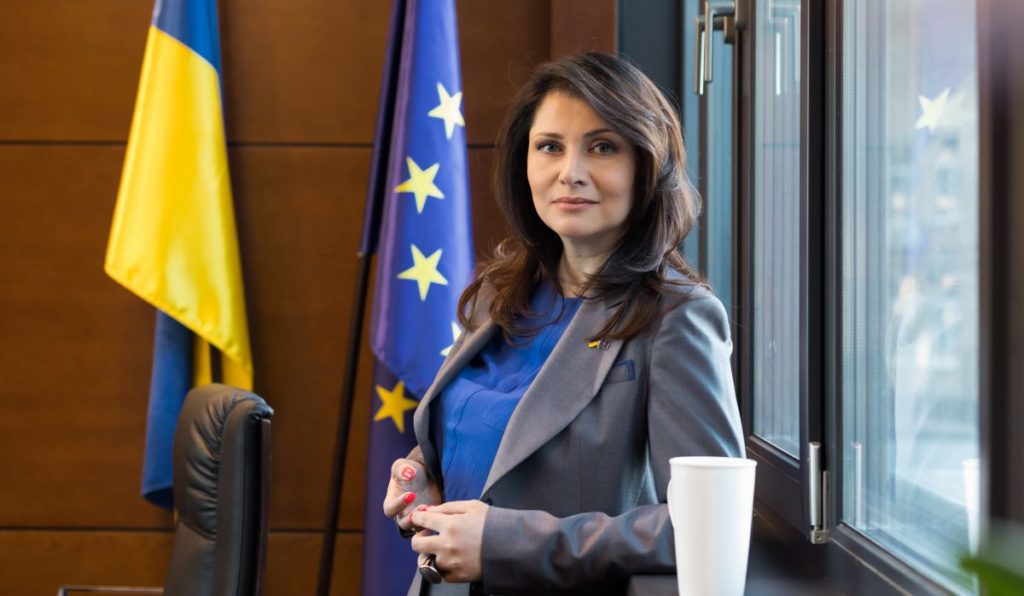
This was stated by Irina Friz, a member of the EU parliament and member of the Committee on National Security, Defense, and Intelligence, Censor.NET reports.
“If abuse is discovered in the system, we need to find out exactly where, what mechanisms are involved, and why those involved in these processes haven’t been held accountable. Of course, they need to be addressed.”
But we can’t just cut the entire booking system and start where it was 100 percent just because the overall number of bookings is growing, using a “fisheye lens.” For example, defense industry enterprises only account for 10 percent of the overall bookings,” the MP emphasized.
Therefore, Freese believes that the reduction of this industry will not have any effect on mobilization.
“At the same time, this could certainly lead to the disruption of contracts with the Ministry of Defense, the exodus of specialists abroad, and the overall loss of our production potential in the defense industry. Therefore, let’s not forget that the people who manufacture weapons, repair military equipment, or provide the country with electricity also work for our defense.”
Therefore, we must first understand who, why, and on what grounds receives reservations across all sectors, who is responsible for providing reservations by sector, where there is a real need, and where privileges and abuses occur,” she emphasized.
Freese added that the army needs to be replenished, but not at the cost of shutting down the businesses that provide it.
It was previously reported that Ukraine is preparing changes to the rules for reserving military personnel. The draft envisages reducing the limits for defense industry enterprises, energy companies, and some utilities, as well as creating a new body to influence the granting of critical enterprise status.
Later, Oleksandr Fedienko, a member of the Verkhovna Rada Committee on National Security, Defense, and Intelligence, warned that the government’s proposed changes to the rules for reserving military personnel could pose a risk to parents with many children, students, and other categories of citizens who are granted mobilization deferments for certain reasons. Employers may begin laying off such employees to preserve the ability to reserve other employees.
Subsequently, on October 13, the Cabinet of Ministers adopted amendments to the rules for reserving military personnel. These amendments affect the number of employees that companies can reserve, as well as the procedure for granting critical enterprise status. However, the regulation still needs to be finalized.
Also follow “Pryamy” on Facebook , X , Telegram and Instagram .