


Poland creates security zone in the Baltic Sea to protect against Russian shadow fleet


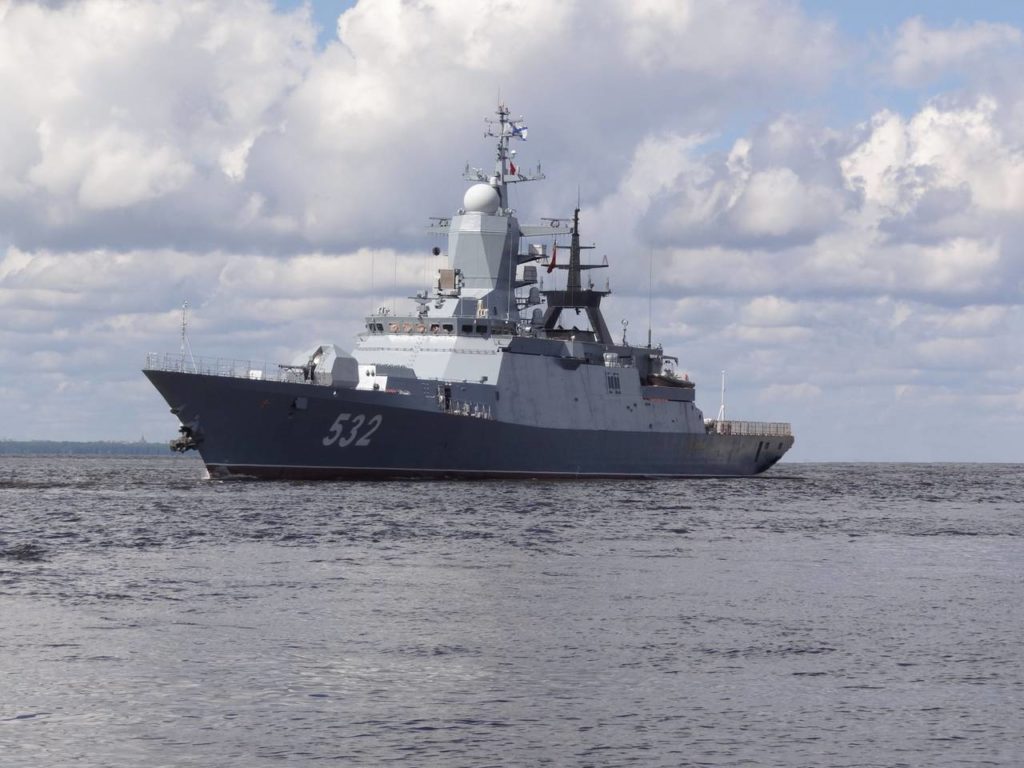
Ілюстративне фото
Poland is creating a special security zone in the Baltic Sea to protect key energy infrastructure from potential attacks by Russia’s “shadow fleet.” The restrictions will affect fishing, water activities and even diving — all to protect the SwePol Link pipeline connecting Poland and Sweden.
This is reported by RMF 24 .
Poland is taking active steps to strengthen security in the Baltic Sea. The Maritime Department in Gdynia has officially announced the creation of a security zone around a strategic energy facility, the SwePol Link submarine cable pipeline. This is a response to the growing activity of Russia’s so-called “shadow fleet”, which can be used for sabotage or covert reconnaissance in the coastal waters of EU and NATO countries.
According to Maciej Wapiński, a representative of the Polish Electric Grids company, it was the energy industry that initiated the introduction of restrictions in the coastal waters of Poland. The width of the pipeline is about 250 meters, and it is along this section of the Baltic Sea that a special control zone will be created.
In the new security zone, fishing, anchoring, any underwater work, water sports or diving are prohibited without special permission from the Polish side. Such restrictions should not only reduce the risk of unauthorized access to the cable infrastructure, but also prevent possible incidents or attacks by Russian vessels without state identification.
The 25-year-old SwePol Link is a 600-megawatt, high-voltage, undersea direct current (DC) line spanning 254 km between Poland and Sweden. It is strategically important as it enables energy exchange between the two countries, which is particularly important in the context of hybrid warfare and energy instability in the region.
Control over critical infrastructure is one of the priority topics in Poland’s security policy against the backdrop of Russia’s ongoing aggression against Ukraine and the increasingly active activities of Russian special services in Europe. It is obvious that the Baltic Sea is increasingly turning into a new arena of confrontation.
Also follow “ Pryamym ” on Facebook , Twitter , Telegram , and Instagram .