


Russia without fuel: why drone strikes forced the Kremlin to “turn on the taps”


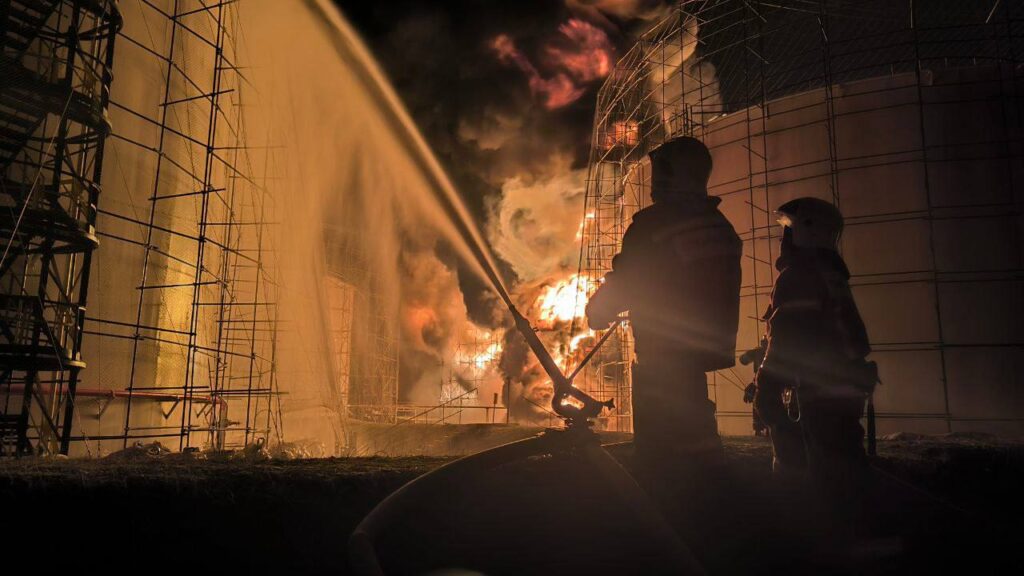
Ілюстративне фото
Targeted drone strikes by the Ukrainian Armed Forces on Russian oil facilities are already having serious consequences for the aggressor country’s economy. Due to significant damage to its oil refining infrastructure, Russia has faced a fuel shortage and has been forced to temporarily limit its exports. According to experts, the restoration of refining volumes may take at least until mid-2026.
This information was published by the International Energy Agency (IEA) in its monthly report.
Since early August, Ukrainian forces have launched more than two dozen attacks on strategically important oil refineries across Russia. These strikes are aimed at reducing the Kremlin’s economic profits and complicating the logistics of fuel supplies for the Russian army at the front.
According to sources, the fallout from these attacks has already caused gasoline shortages in a number of Russian regions, including occupied Crimea. In response, the Russian government has imposed restrictions on the export of petroleum products abroad, at least until the end of this year.
The new IEA forecast emphasizes that the Russian oil refining industry will not return to pre-war levels for a long time. While it was previously expected that the situation would stabilize by the end of 2025, analysts now call the summer of 2026 a more realistic date.
Current production levels have fallen by about 500,000 barrels per day, from 5.4 million to less than 5 million barrels per day. These figures could fall further, given the duration and intensity of the strikes.
In addition, the Russian authorities have classified most statistics on the energy sector, including the volume of fuel processing and production, which complicates independent analysis. Despite official statements by Deputy Prime Minister Alexander Novak about allegedly full coverage of domestic needs, experts report that some plants have been shut down due to damage.
Amid a decline in domestic refining, Russia tried to compensate by increasing crude oil exports to 5.1 million barrels per day in September, the highest in 18 months. However, the revenue from this increased only slightly: revenues amounted to only $13.4 billion, the lowest figure in three months.
Instead, exports of finished petroleum products fell to 2.4 million barrels per day — one of the worst figures in the last decade, excluding the decline during the pandemic.
The decline in oil and gas export revenues has hit the Russian budget hard. War spending remains at record levels, forcing the government to plug financial holes through domestic borrowing and reserve funds.
Experts warn that as early as 2025, revenues from the energy sector could reach their lowest levels since the pandemic, which will create additional pressure on the Russian economy in the face of a protracted war.
As a reminder, on the night of October 13 , an oil depot in temporarily occupied Feodosia caught fire after a drone attack. Flames and smoke were visible for tens of kilometers.
Also follow “Pryamim” on Facebook , Twitter , Telegram , and Instagram.