


The Kremlin has put forward demands to Europe to end the war in Ukraine: details


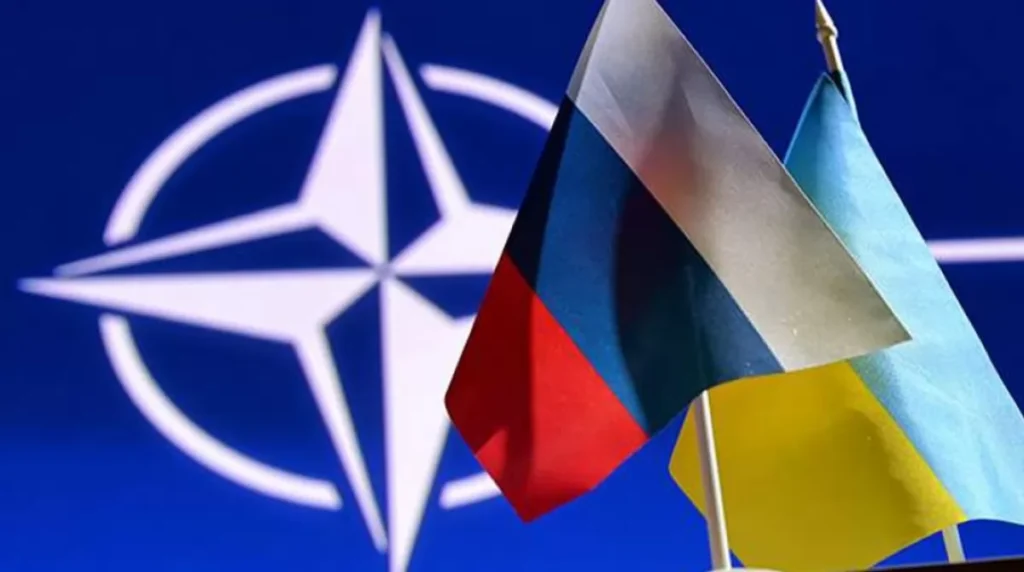
Ілюстративне фото
Russia wants Finland to leave NATO and ban the deployment of NATO military bases in the Baltic states. Moscow has put forward such demands as part of proposals for the formation of a new security architecture in Europe. At the same time, the published conditions do not constitute an agreed peace agreement.
This is reported by the German publication BILD.
According to journalists, the Russian proposals were discussed during informal talks to end the war in Ukraine. They were also presented to European representatives at meetings in Abu Dhabi.
Among the Kremlin’s main demands is the retention of the captured Ukrainian territories by Russia, as well as the transfer of the entire Donetsk and Luhansk regions to it, including the areas still controlled by Ukraine.
A separate set of proposals concerns NATO . Moscow wants the Alliance to abandon the deployment of military bases in Estonia, Latvia, and Lithuania. In addition, Russia demands Finland’s withdrawal from the North Atlantic Alliance.
Another part of the Russian plan involves limiting the military use of Ukrainian ports. In particular, Moscow proposes to demilitarize the ports of Odessa and Mykolaiv to prevent their use as naval bases. The Russian side also insists on ensuring freedom of navigation in the Black and Baltic Seas.
The demands also apply to Moldova. Russia proposes to transform the country into a federal republic, which would include Moldova, autonomous Gagauzia, and unrecognized Transnistria. In the event of Moldova’s accession to the European Union, Gagauzia and Transnistria want to be granted the right to hold referendums on independence.
At the same time, Moscow is allegedly ready to make certain concessions. These include the withdrawal of nuclear weapons from Belarus, the refusal to deploy medium-range missiles on its territory, and the withdrawal of Russian troops from Transnistria.
What other demands does Russia make on Ukraine?
The Russian leadership continues to insist on maximalist terms for ending the war. Analysts at the Institute for the Study of War (ISW) note that after another round of trilateral talks in Abu Dhabi, Vladimir Putin and representatives of his delegation have once again confirmed the immutability of the Kremlin’s demands.
In particular, Moscow does not agree to the creation of a demilitarized zone on the territory of post-war Ukraine. Russia also does not abandon its claims to the unoccupied parts of Donetsk, Luhansk, Zaporizhia, and Kherson regions, which the Russian army has not yet been able to capture.
Ukrainian President Volodymyr Zelensky and Ukrainian diplomats, for their part, warn against concluding agreements between Europe and Russia on a new security system without ending the war against Ukraine.
Are the Russian proposals a formal peace agreement?
In addition, it is noted that the published list of demands is not an agreed peace agreement. It is only one of the options being discussed in unofficial negotiating circles.
According to the publication, several groups of mediators, including those connected to military structures, are operating in parallel. These groups compete with each other, and their proposals do not constitute a single, agreed-upon plan for resolving the war.
Earlier, it was reported that Kremlin spokesman Dmitry Peskov said: Russia does not consider verbal assurances about NATO’s non-expansion to the East sufficient. According to him, such agreements should be officially enshrined in a document.