


The Russian budget deficit in 2025 has already exceeded the annual forecast: the government is drawing on reserves


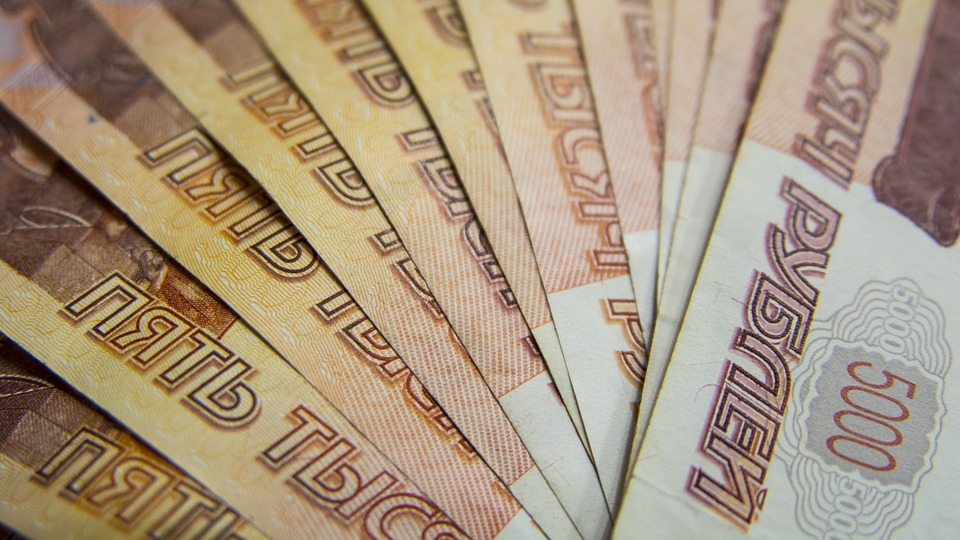
In the first half of 2025, Russia’s budget deficit amounted to 3.69 trillion rubles (over $46.8 billion), which corresponds to 1.7% of GDP – the figure that the country’s government had forecast for the entire year.
This is stated in the Reuters article.
This is a significant deterioration compared to the same period last year, when the deficit was only 0.3% of GDP. The main reason was a significant increase in government spending – by 20%, while revenues grew by only 2.8%. At the same time, revenues from energy exports fell by 17%.
In April, Russian authorities raised their deficit forecast from 0.5% to 1.7% of GDP due to lower oil prices and reduced energy sector revenues. At the same time, military spending increased by 25% to 6.3% of GDP, the highest level since the Cold War.
To cover the deficit, the government intends to use 447 billion rubles from the National Welfare Fund, which is about 10% of liquid reserves. A new budget review is expected in the fall.
Recall that the war against Ukraine, sanctions, and increased spending on the military-industrial complex led to an increase in prices for basic food products in Russia.
It should be noted that by April 2026, if current economic trends continue, a banking collapse may occur in Russia .
Ordinary Russians are massively defaulting on their credit card debts . Payments on 8.3 million credit cards are overdue for more than three months.
As reported, Russia is experiencing an acute labor shortage in many sectors of the economy.
In addition, the Foreign Intelligence Service of Ukraine (FIS) reports that Russian companies are massively losing their assets abroad amid international sanctions, nationalization, and the breakdown of cooperation with foreign partners.
As you know, Russia has exhausted the resources that allowed the economy to demonstrate growth for two consecutive years in conditions of war and sanctions.
Also follow “Pryamim” on Facebook , Twitter , Telegram , and Instagram .