


Three strategic operations of Ukraine and their consequences for the Russian Federation


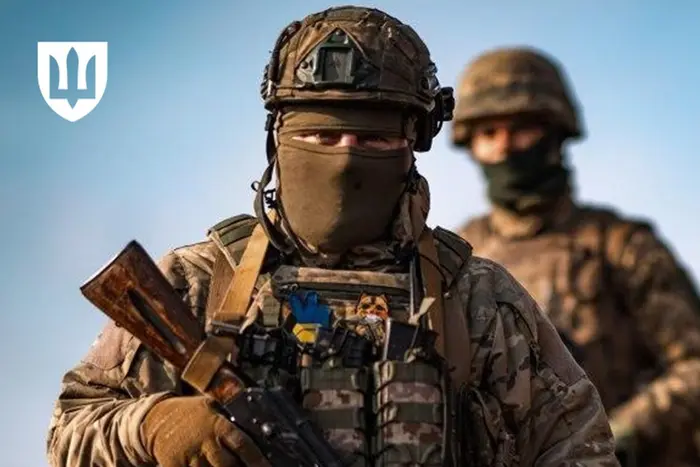
Фото: МОУ
Ukraine is currently conducting three strategic operations at once:
-
destruction of 50% of Russian oil refineries;
-
isolation of occupied Crimea from the territory of Russia;
-
blockade of Russian sea trade routes in European seas.
Even before this, the Armed Forces of Ukraine stopped the strategic offensive operation of the Russian army, the goal of which was the occupation of the entire Donbas. This also has strategic significance for further confrontation.
Not bad realities on the ground. And most importantly — all this is already a systemic impact on the enemy.
Russian groups in the south, particularly in the Zaporizhzhia and Kherson directions, are facing supply problems. The occupation authorities are losing authority among the population of Crimea. A fuel crisis is brewing in Russia itself, and revenues from maritime oil trade may shrink if Ukrainian attacks become systematic.
All this is already going beyond the point-like impact on the enemy. The consequences of such processes may change the Russian population’s attitude towards the Kremlin and its imperial policy, and strengthen not only anti-war, but also anti-Kremlin and anti-Moscow sentiments.
In addition, Ukraine is currently conducting an air campaign against the Russian military-industrial complex, including enterprises that produce ballistic missiles.
It is also important that the Russian General Staff failed to destroy the Ukrainian military-industrial complex. Judging by Oleh Korostylov’s interview, the Luch Design Bureau has already reached an annual production level of about a thousand Neptune cruise missiles.
That is, Ukraine has not only preserved and increased production but has also expanded it due to the emergence of new manufacturers.
This gives grounds to believe that the current trend will continue. And a trend is often more important than specific results here and now.
We have entered a historical period of confrontation in which Ukraine and Russia are trying to exhaust each other’s potentials. However, Russia has outpaced us by two lengths in this confrontation. The Kremlin took advantage of our mistakes and has already deprived Ukraine of about 20% of its territory and, by my estimation, approximately 15 million people — those who remained in the occupation or went abroad.
If the war stops even now, we may approach a potential next attack weaker — with less territory, a smaller population, and destroyed heavy industry.
Ukrainian elites are obligated to think not only about how to stop the war, but also about how to ensure the lasting security of the state. The planning horizon should cover decades. Ukrainians should want to return home, live here, create families, and give birth to children.
That is why in the historical confrontation with Russia, it is important not just to stop the war, but to end it from positions advantageous to Ukraine.
In my opinion, Ukraine’s long-term security will largely depend on how much Russia preserves its military, industrial, and economic potential after the end of the war. If in five to ten years the Kremlin wants to attack Ukraine again, it must face an opponent that it can no longer overwhelm by five to ten times, as it was in 2014.
I am sure that many readers will disagree with me here. However, paradoxically, Putin himself, through his decisions, contributes to the depletion of Russia’s potential.
From the perspective of the Russian Empire’s interests, it would be more profitable for the Kremlin to stop the war now, find a conditional “Gorbachev-2”, blame all crimes on Putinism, reset relations with the West, restore potential, and resort to aggression again in twenty years.
But Putin wants to be the mistress of the sea.
And that is exactly why, in my conviction, Russia risks losing everything.
Also follow Pryamyi on Facebook, X, Telegram and Instagram.
- Materials published in the “OPINIONS” section reflect the opinion of the publication’s author, who bears full responsibility for the veracity of the information.
- The prm.ua editorial team may not share the views expressed in the authored material.
- The owner of the web page in the “OPINIONS” section is the author of the publication.