


Ukraine rolls out layered air defense system to counter “Shaheed” drones: key advantages


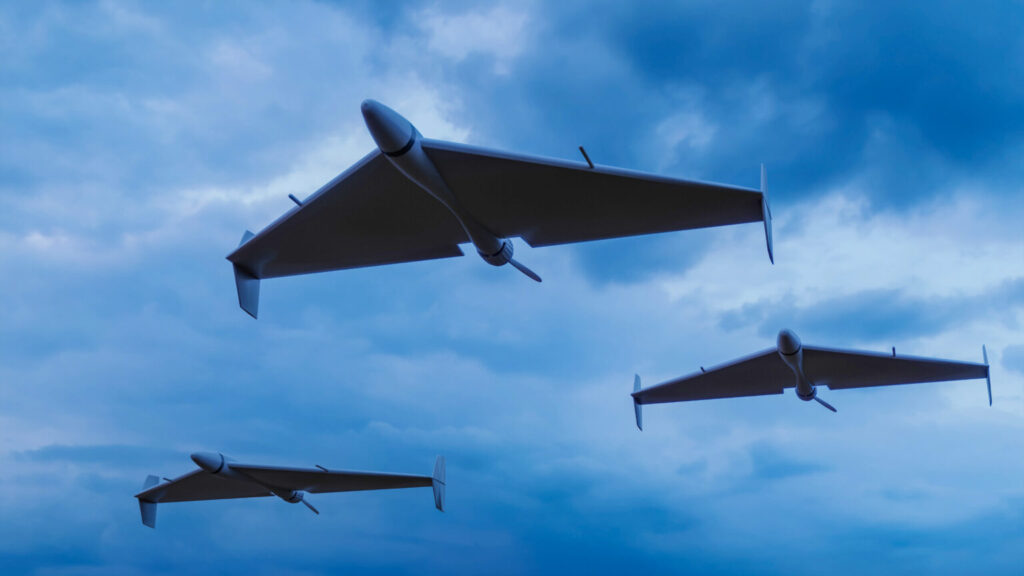
Фото: з відкритих джерел
Ukraine is bolstering its defenses against Russian Shahed drones, deploying an echeloned air defense system, forming new interceptor drone crews, and developing advanced technologies to protect its skies, according to Armed Forces Commander Oleksandr Syrsky.
He wrote about this in Telegram.
According to Syrsky, he held a comprehensive meeting dedicated to the development of Ukraine’s air defense segment. The discussion focused on the effectiveness of UAV interceptor units, prospects for acquiring various types of drones, and ways to enhance the efficiency of countering enemy strike and reconnaissance aircraft.
“We are creating a multi-level system to counter enemy ‘Shaheds’ and ‘Geraniums.’ Our common goal is to form more interceptor crews, train additional operators, and provide them with effective destruction tools and radar stations,” Syrsky emphasized.
He noted that developing air defense capabilities is a top priority for both the state and the Armed Forces. Currently, personnel selection for UAV interceptor crews is underway, and new regular units are being formed.
Following the meeting, the Commander-in-Chief set the task of addressing existing shortcomings and strengthening efforts against enemy drones. Syrsky expressed special gratitude to the military personnel who shoot down enemy air targets daily, as well as to the civilian sector and volunteers for their support and implementation of innovative solutions.
“It is important that the unity of Ukrainians continues to strengthen our combat capabilities,” he concluded.
An echeloned air defense system is a multi-level defense network that deploys various detection and engagement assets across several “echelons” (levels) at different distances and altitudes to intercept aerial threats effectively.
The system operates in several stages:
At long range: Long-range air defense missile systems (e.g., Patriot, S-300, IRIS-T SLM) engage aircraft, missiles, and drones far from the protected area.
At medium range: Medium-range complexes (NASAMS, IRIS-T SLS, Buk) fill coverage gaps and support the first echelon.
At short range: Short-range and close-combat systems (Stinger, Igla, Gepard, MANPADS, and mobile units with machine guns or anti-aircraft guns) target threats that penetrate the previous layers.
This layered approach ensures that if one echelon fails to destroy a target, the next can intercept it. It minimizes the risk of enemy drones or missiles breaking through and maximizes the protection of critical cities and infrastructure. Essentially, the system functions like multiple “security rings,” covering the sky from the outermost perimeter to the final line of defense.
Earlier, Ukrainian military intelligence reported the active use by Russian forces of a new type of drone equipped with LTE modems. This drone can perform the functions of both a strike and reconnaissance aircraft, as well as simulate an attack to overload Ukrainian air defenses.
The day before, Ukrainian specialists developed an unmanned system for intercepting and destroying Shahed and Gerber-type strike drones. The new drone is capable of operating in the dark, quickly detecting targets, and physically destroying them before they approach infrastructure or populated areas.
Also follow “Pryamyi” on Facebook, Twitter, Telegram, and Instagram.