


Ukrainian embroidery: a symbol that unites generations


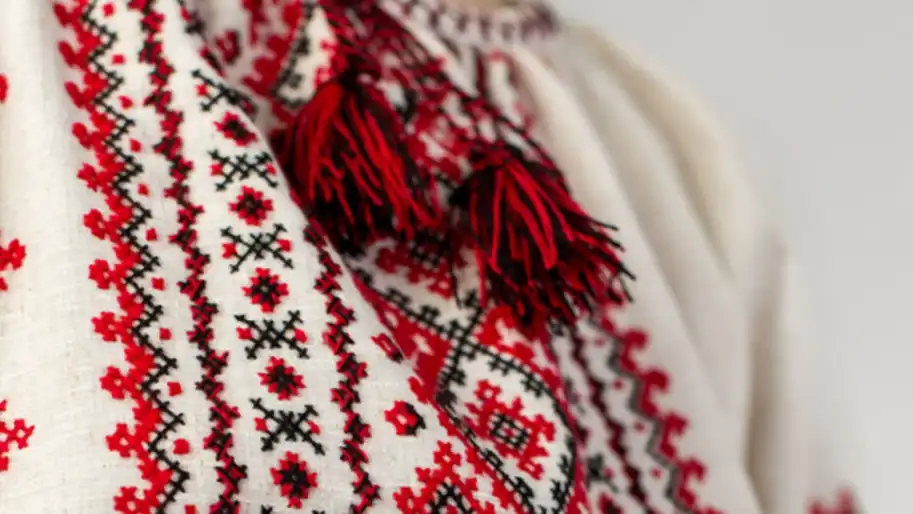
Vyshyvanka is more than just traditional Ukrainian clothing. It is a true cultural code, a visual embodiment of history, symbolism, and national spirit. It not only adorns the body, but also “embroiders” on it centuries-old memory, tradition, resilience, and love for the Motherland.
Today, Ukrainian embroidery confidently strides across the world, becoming a fashionable element and at the same time a profound marker of identity. But to better understand its meaning, let’s look into its history, symbolism, and diversity.
Origins and evolution: how embroidery was born
The first mentions of embroidery in Ukrainian lands date back to the times of Kyivan Rus. At that time, the ornaments were made of simple geometric elements and had mainly applied meaning. However, already in the 15th-17th centuries, embroidery turned into a powerful cultural symbol, which began to carry sacred and ethnic meanings.
During the period of imperial oppression — under the rule of the Polish-Lithuanian Commonwealth, Austria-Hungary, or the Russian Empire — embroidery became one of the last bastions of national self-identification. Through ornament, Ukrainians transmitted to each other signs of faith, love for the land, and culture that were officially prohibited.
The Soviet period was especially tragic – mass repressions, destruction of ancient embroideries, persecution for “bourgeois nationalism”. But despite all the oppression, the tradition did not disappear. It was preserved – and today we see its triumphant revival.
In 2018, Ukrainian embroidery was recognized by UNESCO as part of the Intangible Cultural Heritage of Humanity — this is official international recognition of its unique value.
Embroidery as a language of symbols: what the ornaments “say”
Embroidery is a visual archive of the people. Every thread has a meaning, every pattern carries a message. Ornaments are a kind of code passed down from generation to generation.
Colors:
Red — vital energy, love, blood of ancestors.
Black is protection from evil, a symbol of earth and wisdom.
White – light, purity, a new beginning.
Forms:
Diamonds – fertility, harmony.
Circles are infinity, the cycle of life.
Triangles – spirituality, trinity (for example, in Christianity).
Flowers and plants:
Floral motifs are some of the most common. The rose is a symbol of beauty and love, the poppy is a symbol of memory and steadfastness, and the periwinkle is a symbol of fidelity and immortality.
Birds and animals:
Birds in embroidery are symbols of the soul, freedom, and peace. Pigeons, firebirds, and storks are often found. They represent a connection with nature, one’s native land, and folk ideas about the universe.
A variety of techniques: how embroidery is created
Ukrainian embroidery is not only about ornaments, but also about the craftsmanship. There are over 100 techniques in the tradition, and each one is unique.
Basic techniques:
Smoothing is a dense stitching of fabric that creates relief.
A low stitch is a reverse pattern that looks different on the front and back.
The cross is the most common method, known for its simplicity and versatility.
Lace, carving, embroidery — “transparent” techniques that add sophistication.
Stem embroidery is especially suitable for floral ornaments.
Striped embroidery is used for geometric compositions.
Each technique bears the imprint of local characteristics and craftsmanship of a particular region.
Geography of patterns: how embroidery is done in different parts of Ukraine
Embroidery in Ukraine is not uniform, but regionally distinct. In each region, it has its own style, reflecting local traditions, nature, and history.
Hutsul region:
Bold, rich colors, complex geometry, mostly woolen threads — embroidery of the mountain spirit.
Podillia:
Gentle pastel colors, soft floral motifs, delicate technique.
Polissya:
Earthy colors, simple shapes, themes of forests and rivers.
Bukovina:
Brightness, ethnic diversity, rich details with Romanian and Jewish influences.
Central and Eastern Ukraine:
Harmonious combination of geometric and floral motifs, balanced colors.
Each embroidery is like a map. It “tells” where its wearer is from, what worldview they carry, and what values are sewn into their threads.
Modern embroidery: a new life for an old tradition
Today, embroidery is making a comeback — not as an archaic thing, but as a symbol of strength, culture, and current style. Ukrainian designers are increasingly weaving traditional motifs into modern clothing, combining the past and the present.
The fashionable vyshyvanka became a symbol of Ukrainian unity, especially during the war. It is worn not only on Vyshyvanka Day, but also at rallies, in offices, on stages, and even on the battlefield, as a talisman and a sign of belonging.
Also follow “Pryamim” on Facebook , Twitter , Telegram , and Instagram .