


Vladislav Geraskevich and the “Rule 50”: What’s Wrong with the IOC Decision


Milano Cortina 2026 Olympics - Skeleton - Men Official Training Heat 2 - Cortina Sliding Centre, Cortina d'Ampezzo, Italy - February 09, 2026. Vladyslav Heraskevych of Ukraine during training with helmet in tribute to athletes who have died amid Russia's attack on Ukraine REUTERS/Athit Perawongmetha
The International Olympic Committeebanned Ukrainian skeleton racer Vladislav Geraskevich from competing due to his intention to compete wearing a “memory helmet”—one emblazoned with portraits of Ukrainian athletes who died in Russia’s war against Ukraine. In doing so, the IOC demonstrated double standards, including against Geraskevich himself.
As a reminder, despite the IOC ban , Vladislav Geraskevich took to the Olympic track for training wearing a “memorial helmet” bearing images of athletes who died during the war with Russia. The IOC banned him from wearing this helmet in competitive events, and before making its decision, it noted that the athlete’s equipment “did not comply with the rules.”
In doing so, the IOC invoked Rule 50 of the Olympic Charter, which regulates the political neutrality of the Olympic Games. Specifically, any political, religious, or racial agitation or propaganda is prohibited at Olympic venues—arenas, stadiums, the Olympic Village, and during ceremonies. Political slogans, statements, banners, posters, or even gestures are prohibited.
After 2020, the rule was somewhat relaxed. Specifically, Geraskevich was asked to display the “memory helmet” before or after races, during media interactions or in designated areas of the Olympic Village, and to wear it during training runs. As International Olympic Committee President Kirsty Coventry noted, no one objects to the message on the helmet itself, but the rules are the same for everyone. However, what happened is what happened. Geraskevich retained the opportunity to compete in Milan , but lost his right to compete.
The so-called “Rule 50” is quite harsh, but the sanctions for violating it vary. This is particularly evident in the example of Geraskevich himself, as this is not the first time in his career. At the Beijing Winter Olympics on February 11, 2022, two weeks before the full-scale invasion, Vladislav held up a banner with a blue and yellow flag and the words “No war in Ukraine” on camera. This could have been interpreted as a political gesture, and the athlete risked punishment, but no sanctions were imposed.
The second high-profile case was that of German heavyweight Matthias Steiner during the 2008 Summer Olympics in Beijing. He climbed onto the podium holding a photograph of his wife, who had died in a car accident, dedicating his victory to her, as he had promised her he would win Olympic gold.

The awards ceremony is a particularly restrictive area, but the IOC did not impose sanctions because the gesture was not political in nature and elicited public sympathy.
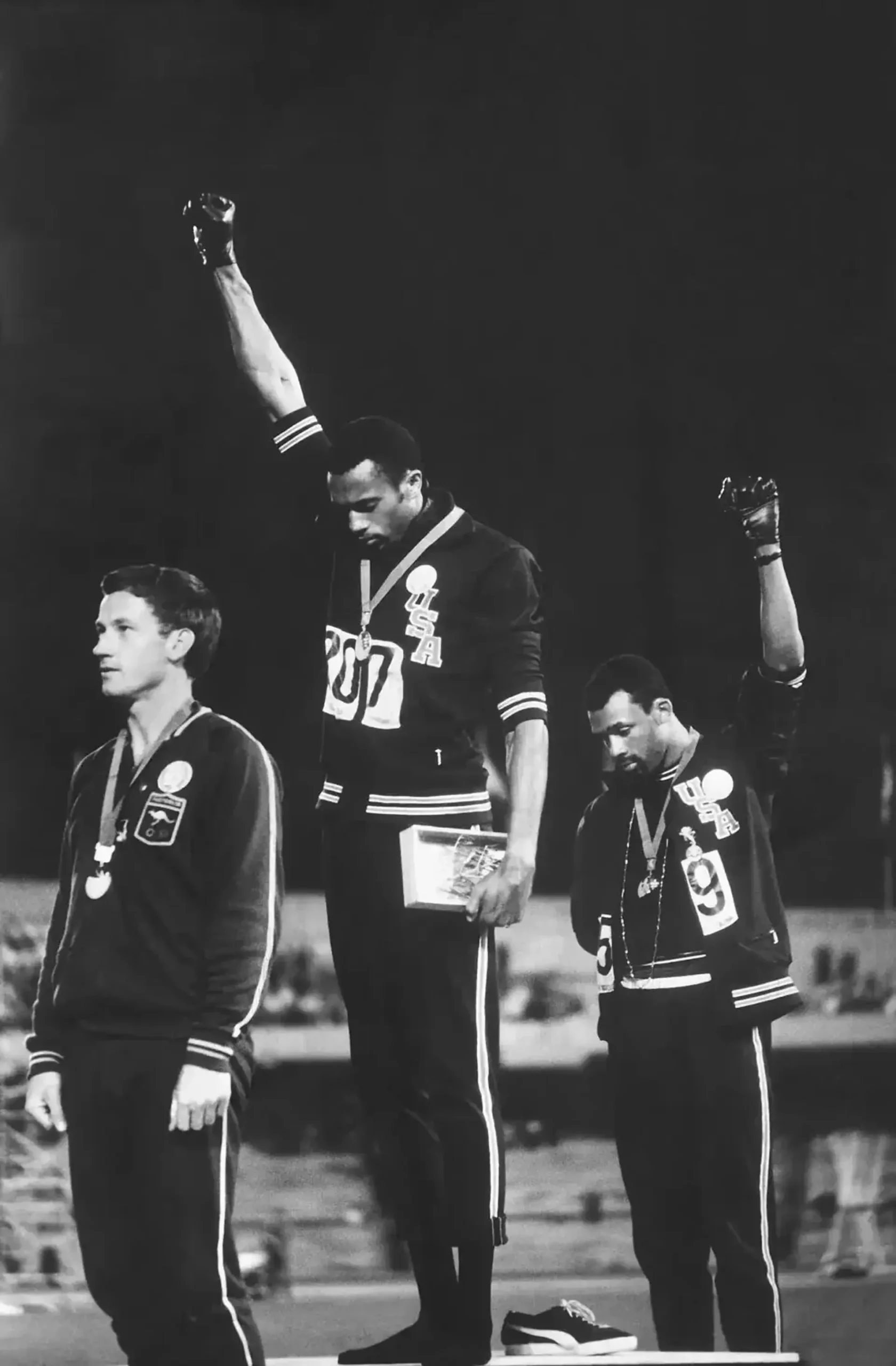
However, there were also cases of harsh punishment. At the 1968 Mexico City Olympics, American runners Tommie Smith and John Carlos raised their black-gloved fists during the national anthem as a symbol of their fight for black rights. They were expelled from the team and forced to leave the Olympic village.
However, the cases of Steiner and Geraskevich himself in 2022 demonstrate the selective application of the “Rule 50.” Therefore, the Ukrainian athlete has grounds to appeal the decision, which he intends to do.
As reported by Pryamyi, Ukrainian President Volodymyr Zelenskyy responded to the International Olympic Committee’s decision to disqualify Ukrainian skeleton racer Vladislav Heraskevich from the 2026 Olympics. Ukrainian Foreign Minister Andriy Sybiha also commented on Vladislav Heraskevich’s disqualification from the 2026 Olympics.
Also follow “Pryamy” on Facebook , X , Telegram and Instagram.