


Russia is building gas carriers for the Arctic: how the new fleet will help the Kremlin circumvent sanctions


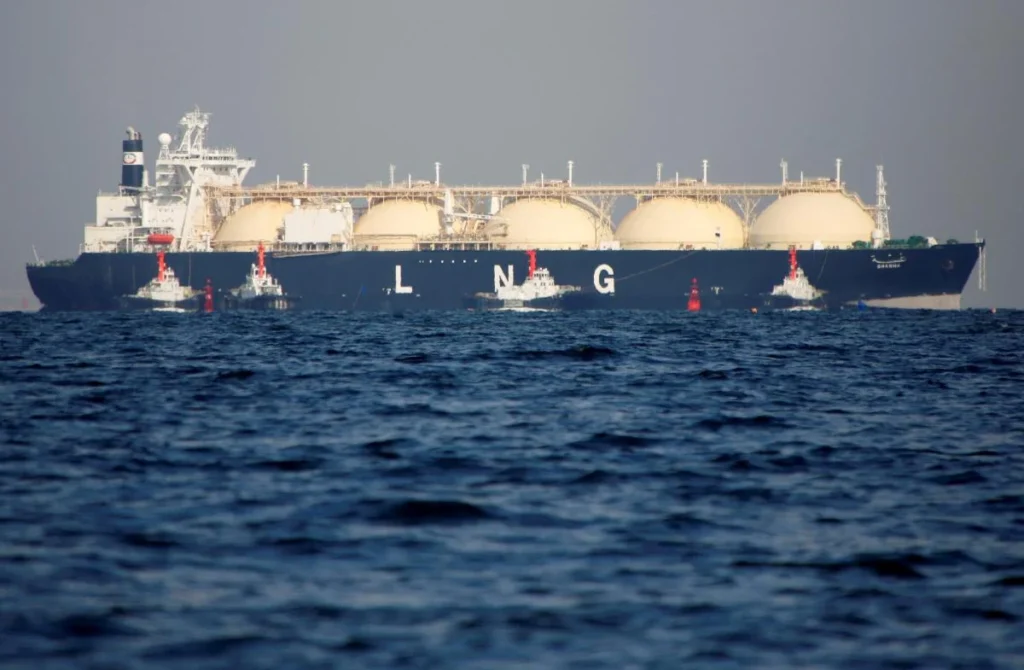
Фото: Reuters
Russia is building up a fleet of gas tankers capable of autonomously driving through Arctic ice up to two meters thick. Such vessels would allow Moscow to use the Northern Sea Route to transport liquefied natural gas and try to circumvent Western sanctions.
This is reported by The Telegraph, citing data from the British government and Ukrainian intelligence.
These include the new gas carriers Aleksey Kosygin and Konstantin Posiet, built at the Russian shipyard Zvezda. They have an Arc7 ice class and are designed to operate in difficult Arctic conditions.
According to the Foreign Intelligence Service of Ukraine, over the past six months, Russia has added at least eight second-hand gas carriers and two new vessels from the Zvezda shipyard to its shadow LNG fleet. In total, this fleet has grown to 25 vessels by 2026.
The new gas carriers allow Russia to use the Northern Sea Route to transport LNG from Arctic projects. One of them, the Konstantin Posiet, has already passed this route.
Another vessel, the Aleksey Kosygin, is about 300 meters long and can independently cross ice up to two meters thick. It was put into operation in 2026.
For Moscow, the development of such a fleet is important not only because of the possibility of operating in the Arctic. Russia is trying to maintain LNG exports and revenues from them in the face of tightening Western sanctions. Specialized gas carriers allow using routes inaccessible to conventional vessels and reducing dependence on foreign fleets.
Creating a shadow LNG fleet is more difficult than an oil fleet. Liquefied gas must be stored at a temperature of about -162 °C, so special gas carriers are needed to transport it. For Arctic routes, they must also meet high ice classes. According to Ukrainian intelligence, a modern vessel of this type can cost up to $300 million.
Russia is expanding this fleet as the European Union prepares for a complete ban on Russian LNG imports, which is set to take effect on January 1, 2027. Thus, Moscow is looking for alternative routes and opportunities to continue gas exports despite sanctions restrictions.
Meanwhile, the UK has already imposed sanctions on three Russian ice-class gas carriers — the Aleksey Kosygin, Konstantin Posiet and Pyotr Stolypin. The British government has said that Russia is trying to create a new shadow fleet to circumvent sanctions and keep its gas export revenues.
Meanwhile, the UK has already begun to follow suit. On October 1, London announced a new package of 31 sanctions measures, which included eight vessels, including three Russian ice-class gas carriers — Aleksey Kosygin, Konstantin Posiet and Pyotr Stolypin. The British government said that these measures are aimed at Russia’s attempts to create a new shadow fleet to circumvent sanctions and preserve revenues from gas exports.
As a reminder, the Main Intelligence Directorate of the Ministry of Defense of Ukraine has published information about 26 vessels that Russia uses to transport oil, petroleum products, liquefied gas, and agricultural products from the temporarily occupied territories of Ukraine.
As reported in May, Russia continues to expand its shadow fleet for transporting liquefied natural gas, which is under US sanctions. Four more tankers previously owned by Oman have been added to the shipments.
Also follow “Pryamim” on Facebook , X , Telegram , and Instagram.