


PrivatBank Case: Legal Triumph and Personal Vindication


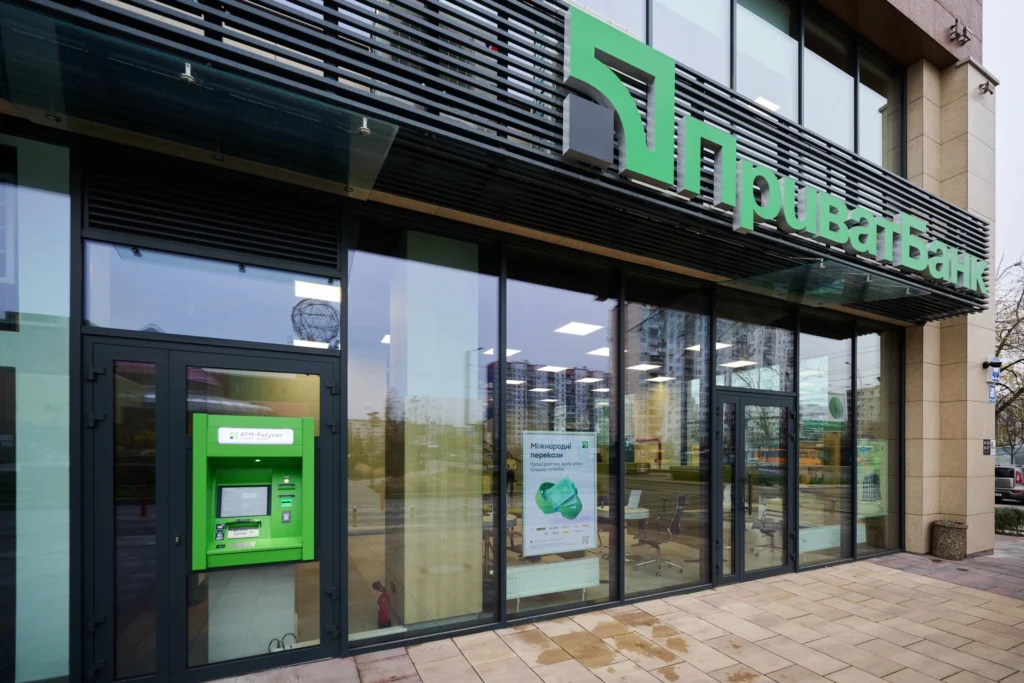
Фото: facebook "ПриватБанку"
Source: Author’s Facebook page
Ukraine, through state-owned PrivatBank, has won a landmark victory in the London High Court against oligarchs Igor Kolomoisky and Gennadiy Bogolyubov — a case worth several billion dollars.
But in reality, this victory means much more. It proves that the impossible is, in fact, possible. At a time when Kolomoisky and his associates acted like untouchable deities in Ukraine — when even whispers about the nationalization of PrivatBank were rare and risky, when those who initiated the case were under attack and threat — few believed that justice would prevail. Few believed that PrivatBank could become a profitable, state-owned bank. Or that it was possible to sue in London — and win. It was possible to freeze the assets traced to Kolomoisky and Boholiubov.
This is a victory not only for justice but also for specific individuals.
For those who led the National Bank of Ukraine and bore the brunt of public anger — because, while society resents oligarchs, it often resents even more those whom the oligarchs’ TV channels tell them to resent. Yes, I’m speaking of Valeria Gontareva and Kateryna Rozhkova.
For those in the Ministry of Finance who dared to file a lawsuit in London, even without political backing. What they did had all the hallmarks of a covert operation. Yes, I’m speaking of Oleksandr Danyliuk, Oksana Markarova, and Artem Shevalev — those who ensured the case did not stall. Who continued to speak out about the $5 billion in taxpayer money that had to be spent to save the bank after years of looting by its former owners.
And they weren’t looting it alone. That, too, must not be forgotten.
This is also a story about how state-owned banks in Ukraine can operate effectively — and profitably. About how independent supervisory boards function. And as a result, the mischievous hands of politicians can no longer reach into the public coffers.
Today, we see the results: a major legal victory in London, where PrivatBank has won a case worth several billion dollars. We see other state banks — Oschadbank and Ukreximbank — reclaiming the Gulliver shopping mall and recovering debts that date back to before 2014, when there was no proper oversight, no functioning regulator.
But this is also a story about how many people wish to return to those days, when there was no so-called “external management,” when public money could be taken and spent as if it were their own. These people long for the past. They loudly insist that Ukraine should stop listening to the West. And thankfully, just last week, they encountered significant resistance from our Western partners and Ukrainian youth.
It is, above all, a story about memory. That memory must not be short. That reputation matters. Those connections matter. And that change has come rapidly, yet often quietly — over the past ten years.
It’s easy to forget what Ukraine was like before the Revolution of Dignity. But we must not forget. Because if we do, we may start believing the voices that claim things were better before all these reforms.
Is this the end? Can we already spend those billions and celebrate a final victory?
Unfortunately, not yet. The oligarch in pre-trial detention and the one on the run will, of course, file an appeal. And they will lose that too. But they will do what they’ve always done — stall, drag it out, play for time. Clinging to the hope that Ukraine might somehow slip back into the “good old days” — when anything was possible, and nothing ever came with consequences.
We will remind that PrivatBank won in an English court against its former owners, Igor Kolomoisky and Gennady Bogolyubov. The decision was confirmed by the bank’s press service.
The hearings ended in November 2023. The bank demanded compensation for losses caused by the withdrawal of assets of more than $1.9 billion. Including interest, the final amount more than doubled.
PrivatBank lawyers said Kolomoisky and Bogolyubov organized a “credit recycling” scheme to withdraw funds. The money was routed through six offshore companies — three each in the UK and the British Virgin Islands, which are also defendants in the case.
Also, follow “Pryamyi” on Facebook, Twitter, Telegram, and Instagram.
• Materials published in the “OPINIONS” section reflect the opinion of the author of the publication, who bears full responsibility for the accuracy of the information.
• The editorial staff of prm.ua may not share the opinions expressed in the author’s material.
• The owner of the webpage in the “OPINIONS” section is the author of the publication.